
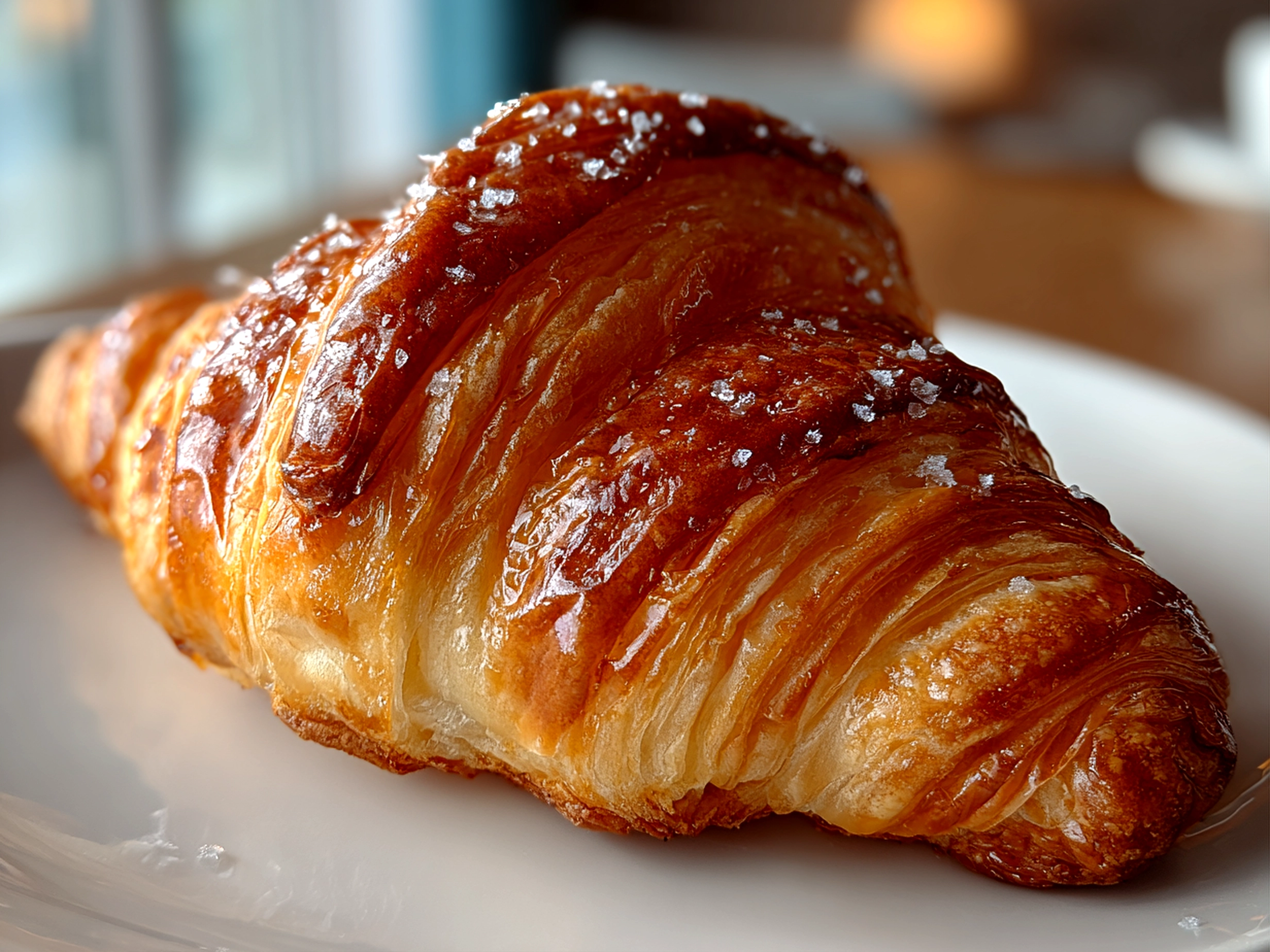
Ah, the French Croissant — such a delightful flaky pastry that brings a little magic to our busy mornings! I remember the first time I decided to make a batch from scratch. It wasn’t just because I love butter and carbs (though, come on, who doesn’t?), but because I wanted to offer my family a breakfast pastry that was nourishing and not loaded with hidden junk. The buttery layers of laminated dough seemed intimidating at first, but after a few tries, it became my little win in the chaos of early school mornings.
What surprised me most was how this French Croissant supported my family’s energy throughout the day. Instead of the sugar crashes we’d get from store-bought options, these flaky pastries gave balanced nourishment, thanks to my tweaks using whole ingredients. Plus, knowing exactly what went into these croissants felt like a breath of fresh air in my ongoing wellness journey.
If you’ve ever felt overwhelmed by the idea of making homemade viennoiserie because “it’s too complicated,” I’m your fellow kitchen warrior. Keep reading if you want a practical, no-fuss recipe for French Croissant that actually fits into a busy mom’s life. We all deserve simple nutrition solutions that feed our families without adding stress. Let’s make flaky, buttery layers of love together!
Ingredients You’ll Need:
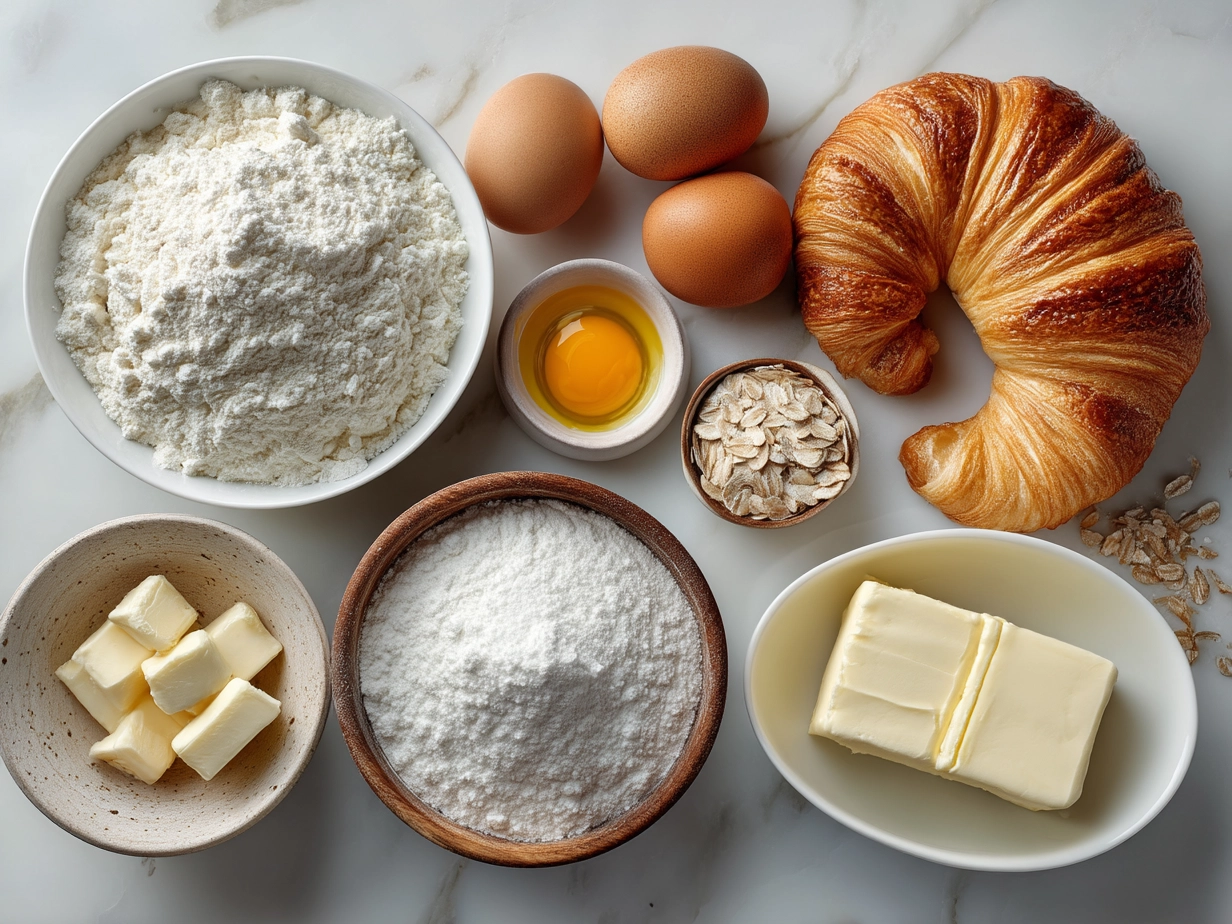
Here’s the straightforward French Croissant mix that keeps the nutrition real and the prep doable. Trust me, busy moms, this French Croissant ingredient list is simple because we all want nutrition without complexity!
- 3 cups all-purpose flour (You can swap half for whole wheat flour for extra fiber without sacrificing the flaky pastry texture)
- 1/4 cup granulated sugar (Try coconut sugar for a more natural sweetness in your French Croissant)
- 2 1/4 tsp active dry yeast (Reliable, found at most grocery stores)
- 1 tsp salt
- 1 cup cold unsalted butter (Essential for those buttery layers; for a healthier twist, try grass-fed butter)
- 1 cup cold whole milk (The fat content helps with texture and taste; almond milk just won’t give the same buttery layers)
- 1 large egg (to brush on top for that golden finish)
- A little water for yeast activation
No worries if you don’t have fancy ingredients – everything you need for this French Croissant is available at your local store. And if you’re watching your budget, these are affordable swaps that keep the nutrition intact. I love adding a sprinkle of flaxseed to the dough sometimes for an omega-3 boost — my kids don’t even notice!
Prep shortcut for busy families: Cut cold butter into thin slices, freeze them, and keep ready. This saves time when laminating that delicate laminated dough later on.
Let’s Make it Happen!
Here’s the step-by-step dance of turning simple ingredients into gorgeous French Croissant flaky pastry right in your kitchen.
- Activate your yeast by combining it with warm water (not hot!) and a teaspoon of sugar. Wait 5-10 minutes until it gets bubbly. This step wakes up the French Croissant magic.
- Mix the dough by combining flour, salt, sugar, and the activated yeast. Pour in cold milk and knead until you have a soft dough. This dough is the start of your laminated dough adventure—don’t rush it!
- Roll out your dough on a floured surface into a rectangle. Lay out your cold butter slices evenly over two-thirds of the dough. Fold the dough in thirds, sealing the butter inside—this folding creates those beautiful buttery layers in your French Croissant.
- Chill the dough for at least an hour (Perfect time to prep tomorrow’s lunch or catch a moment with your little one).
- Roll and fold the chilled dough two more times, chilling in between. This process builds the laminated dough that’s the heart of a flaky pastry masterpiece.
- Cut triangles from your final rolled dough and roll each into the classic croissant shape. Don’t worry if your French Croissant doesn’t look perfect at first—practice makes progress!
- Brush with beaten egg for a beautiful golden finish and let them proof until puffy.
- Bake at 400°F (200°C) for about 15-18 minutes. Your kitchen will start smelling like a bakery, filling the home with warmth and happy anticipation.
In my busy kitchen, this nutritious French Croissant usually takes a couple of hours from start to finish, but many moments are hands-free resting or chilling. It’s a great chance to tackle other kitchen tasks, like prepping snacks or calling a friend for a quick catch-up.
This French Croissant recipe was my sanity saver when the kids needed a breakfast that felt special and nourishing, without extra sugar. If you want more on how to make buttery, flaky homemade croissants, you’ll find tips in this How to make buttery, flaky homemade croissants post.
How We Love to Eat This!
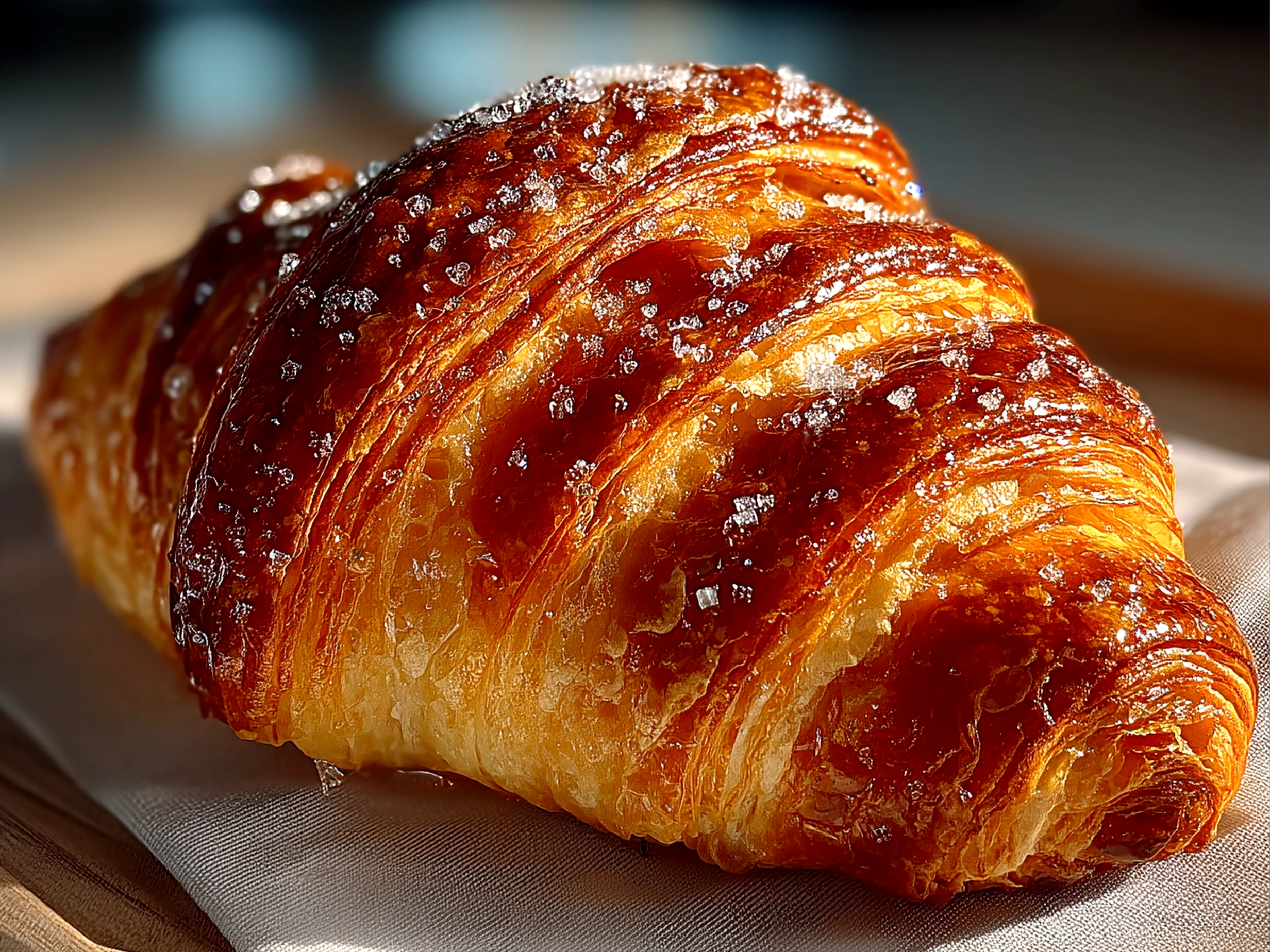
The kids devour this nutritious French Croissant best when I pair them with fresh fruit and a little Greek yogurt. It balances the buttery layers with protein and vitamins—a smart side dish for growing bodies.
On busy mornings, I slice one open and add a smear of almond butter and a drizzle of honey. This combo fuels their school day without overwhelming their tummies. Sometimes we make a breakfast board with fresh berries and boiled eggs alongside this flaky pastry — a perfect dinnertime nutrition win when schedules get crazy.
I’ve even brought these croissants to brunch with friends, and they’re always impressed by how a homemade French Croissant can be both a treat and nourishing. If you want ideas for adding a fun twist, check out these Homemade Chocolate Croissants for a kid-approved option.
Leftovers? We pop them in the toaster the next day. The French Croissant still tastes fresh and keeps that flaky pastry crunch. For a fall favorite, I sometimes glaze them with a little pumpkin spice glaze—a nod to cozy seasonal flavors, like in this Pumpkin Spice French Toast Casserole.
FAQs: Your Questions Answered
Q: Is this French Croissant really nutritious enough for growing kids?
A: Absolutely! The laminated dough’s layers mean you get good fats from butter, plus fiber if you swap in whole wheat flour. Pairing with protein or fruit rounds it out. My kids show steady energy, which is the best proof.
Q: What if my picky eater won’t try this healthy French Croissant?
A: I get it. Sometimes hiding nutrition is key. Adding flaxseed in the dough worked wonders in my house. Also, turning croissants into fun shapes or serving alongside favorite spreads helps. You might find inspiration in the German cousin of the croissant that’s less effort but still tasty.
Q: Can I meal prep this French Croissant for busy weeks ahead?
A: Definitely! I freeze them after baking and just warm them up when needed. It keeps that flaky pastry intact and saves morning stress.
Q: How long does making this French Croissant take?
A: Hands-on time is about 30-45 minutes, but chilling between folds means you can multitask. I use that time to prep lunches or tidy up, turning the wait into productive moments.
Q: Can this French Croissant recipe be made dairy-free?
A: While butter is key for the buttery layers, some have tried plant-based butters with decent results. I haven’t perfected it, but there’s a great resource in Emily In France Exclusive The 14 Best Viennoiseries I Tried on My … that touches on variations.
Q: Is store-bought butter enough for this recipe?
A: Yes! Grass-fed butter is a nice upgrade, but regular unsalted butter works well and still supports nutrition.
Q: How can I make my French Croissant even flakier?
A: The chilling and folding steps build those lovely layers. Don’t rush them! Also, cold butter and cold dough are your best friends here.
For more simple nutrition ideas for busy families, check out this classic French Silk Pie recipe, another family favorite!
Final Thoughts:
This French Croissant has become a cornerstone of my family’s nutrition journey. It gives us those dinnertime nutrition wins with balanced fats and the joy of flaky pastry. My family’s energy and smiles say it all.
My French Croissant Nutrition Hacks:
- Swapping half the flour for whole wheat gently boosts fiber without losing flaky pastry magic.
- Adding ground flaxseed to the dough sneaks in omega-3s for growing brains.
- Serving with protein-packed sides keeps little tummies satisfied longer.
We have three family-tested healthy French Croissant variations: the classic buttery one, the chocolate-filled version that’s a hit with the kids, and a pumpkin-spiced seasonal treat. Everyone picks their favorite, which makes mealtimes fun.
I encourage you to make this French Croissant your own nourishing version. You’ve got this, fellow nutrition-seeker. Feeding our families well is possible, even amidst the beautiful chaos. Baking these buttery layers together is a small win every mom can savor.
For a supportive community and inspiration, visit this How to make buttery, flaky homemade croissants post and happy baking!
If you’re ready for more easy and nourishing family recipes, here’s a warm invite to explore these favorites: Homemade Chocolate Croissants and the seasonal cozy Pumpkin Spice French Toast Casserole. Together, we keep family meals simple, tasty, and full of love!
French Croissant

French croissants are buttery, flaky pastries perfect for breakfast or a snack, showcasing classic French baking tradition with a delicate, layered texture.
- Prep Time: 40 minutes
- Cook Time: 20 minutes
- Total Time: 3 hours
- Yield: 8 croissants
- Category: Breakfast
- Method: Baked
- Cuisine: French
Ingredients
- 500g all-purpose flour
- 300ml cold milk
- 50g granulated sugar
- 10g salt
- 20g fresh yeast
- 300g unsalted butter (cold)
- 1 egg (for egg wash)
Instructions
- In a mixing bowl, dissolve fresh yeast in cold milk.
- Add flour, sugar, and salt to the milk mixture and knead until a smooth dough forms.
- Shape dough into a rectangle, wrap in plastic, and chill for 1 hour.
- Roll out cold butter between parchment paper into a thin square.
- Roll dough into a rectangle about twice the size of the butter square and place the butter on one half, folding the dough over it to encase the butter.
- Roll the dough out into a large rectangle, then fold it into thirds (like a letter). Chill for 30 minutes.
- Repeat the rolling and folding process two more times, chilling between each fold.
- Roll dough out to about 5mm thickness and cut into triangles.
- Roll each triangle from the base to the tip to form the croissant shape and place on a baking sheet.
- Brush with beaten egg and allow to proof for 1.5 to 2 hours until doubled in size.
- Preheat oven to 200°C (390°F). Brush croissants again with egg wash and bake for 15-20 minutes until golden and flaky.
Notes
For an extra glossy finish, brush croissants with a second egg wash before baking. Serve warm with jam or butter.